Access Control Supports Compliance with HIPAA, OSHA, and Internal Policy Requirements
Access Control Supports Compliance By Northeast Remote Surveillance and Alarm, LLC
Regulatory compliance is no longer just a paperwork exercise—it’s a physical security responsibility. For healthcare providers, manufacturers, warehouses, corporate offices, and multi-site enterprises, failure to properly control who can access sensitive or hazardous areas can result in regulatory violations, safety incidents, data breaches, and liability exposure.
Modern access control systems play a critical role in meeting compliance requirements under HIPAA, OSHA, and internal corporate security policies.
At Northeast Remote Surveillance and Alarm, LLC (NERSA), we design and deploy enterprise-grade access control solutions that help organizations enforce compliance in real time, not just document it after the fact.

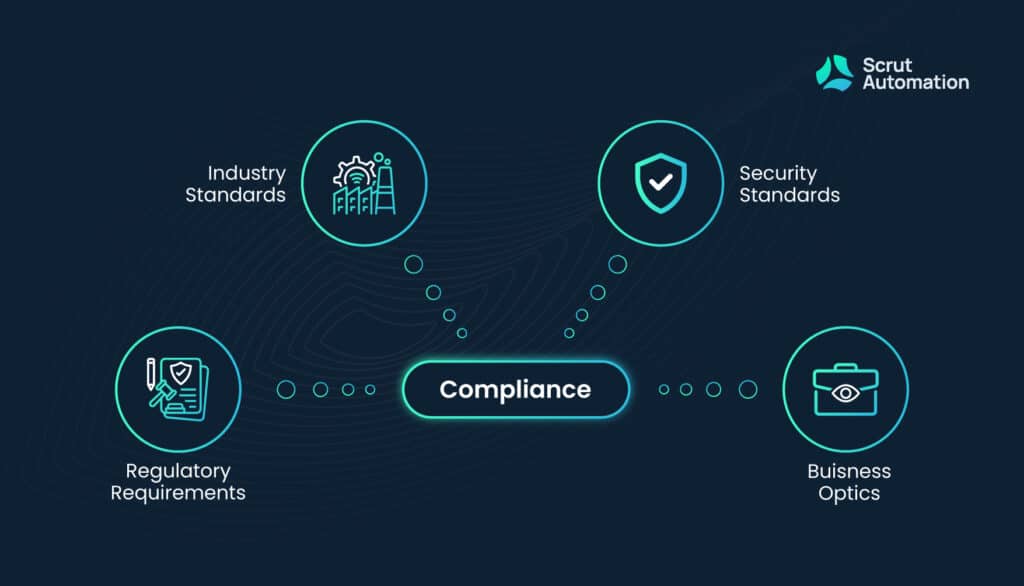
How Access Control Supports Compliance with HIPAA, OSHA, and Internal Policy Requirements – Compliance Starts at the Door
Whether it’s a medical records room, pharmaceutical storage area, manufacturing floor, or data center, unauthorized access is a compliance failure waiting to happen.
Access control systems allow organizations to:
- Restrict entry to authorized personnel only
- Enforce role-based access policies
- Track and document access activity
- Respond instantly to policy violations
NERSA helps clients move from policy on paper to policy enforced by design.
How Access Control Supports Compliance with HIPAA, OSHA, and Internal Policy Requirements – How Access Control Supports HIPAA Compliance
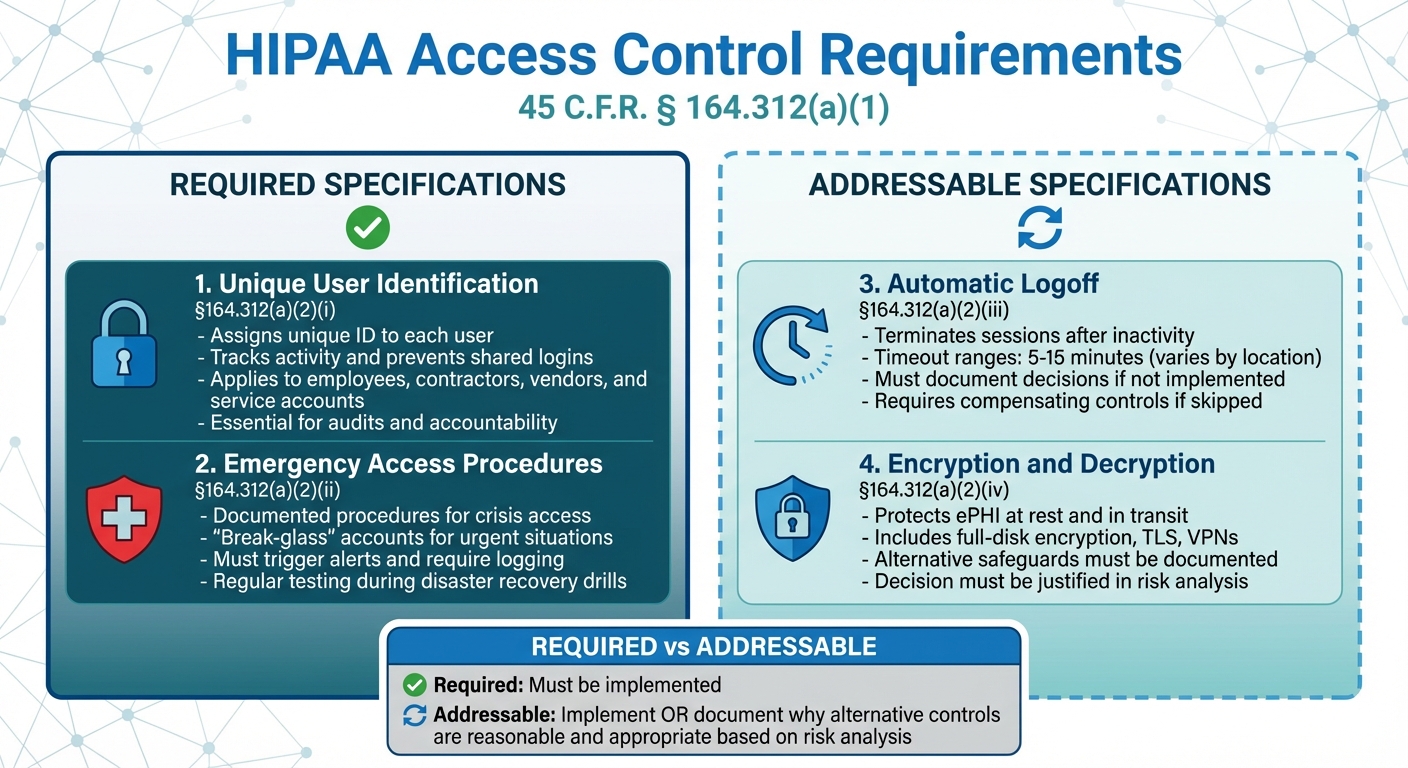
HIPAA requires covered entities and business associates to implement administrative, technical, and physical safeguards to protect protected health information (PHI). While cybersecurity often gets the spotlight, physical access control is equally critical.
Key HIPAA Support Functions of Access Control
Restricting Access to PHI Areas
Access control ensures that only authorized staff can enter:
- Medical records rooms
- Nurse stations
- Data centers and server rooms
- Pharmacy and medication storage areas
Audit Trails and Accountability
Enterprise access control systems generate:
- Time-stamped entry and exit logs
- User-specific access records
- Historical reports for audits and investigations
Rapid Access Revocation
When staff roles change or employment ends, credentials can be revoked immediately, reducing the risk of unauthorized access to PHI.
NERSA designs HIPAA-aligned systems that support audits, reduce risk, and demonstrate due diligence.
Enterprise access control supports compliance requirements – OSHA Compliance
OSHA regulations focus on workplace safety, hazard mitigation, and limiting employee exposure to dangerous environments. Access control systems are a powerful tool for enforcing these requirements.
OSHA-Related Benefits of Access Control
Restricted Access to Hazardous Areas
Control entry to:
- Mechanical rooms
- Electrical rooms
- Chemical storage areas
- Manufacturing and production floors
Role-Based Safety Enforcement
Only trained, certified personnel can access high-risk zones—automatically enforcing safety policies.
Incident Documentation
Access logs help organizations:
- Investigate workplace incidents
- Verify who was present
- Demonstrate safety controls during inspections
NERSA engineers systems that actively reduce workplace risk while supporting OSHA compliance documentation.
Enforcing Internal Security and HR Policies
Internal policies are often more detailed—and more frequently violated—than external regulations. Access control systems give organizations the tools to enforce internal rules consistently and fairly.
Common Internal Policies Supported by Access Control
- Time-based access (shifts, off-hours restrictions)
- Department-based access permissions
- Visitor and contractor access control
- Separation of sensitive departments
- After-hours and weekend access monitoring
By automating enforcement, access control eliminates guesswork and reduces reliance on manual supervision.
Audit Readiness and Reporting
One of the biggest compliance advantages of enterprise access control is audit readiness.
NERSA-configured systems provide:
- Detailed access reports
- Event filtering by user, door, or time
- Exportable logs for compliance reviews
- Long-term data retention options
Whether preparing for a regulatory audit or an internal review, your organization can produce proof—not assumptions.
Integrated Systems Strengthen Compliance
Compliance improves significantly when access control is integrated with other systems.
NERSA specializes in unified security platforms that connect:
- Access control
- Video surveillance
- Alarm and intrusion systems
- Visitor management
This integration allows organizations to:
- Verify access events with video
- Detect tailgating and forced entry
- Trigger alerts for policy violations
- Improve incident response and reporting
Designed for Enterprise, Built for Compliance
Not all access control systems are created equal. Enterprise environments require:
- Scalable architecture
- Secure network design
- Redundancy and fail-safe operation
- IT-aligned deployment practices
NERSA works directly with compliance officers, IT teams, safety managers, and executive leadership to ensure systems meet operational and regulatory expectations.
Why Organizations Trust Northeast Remote Surveillance and Alarm, LLC
Compliance-driven organizations choose NERSA because we understand that security systems are compliance systems.
The NERSA Advantage
- Enterprise-focused system design
- Compliance-aware access control architecture
- Manufacturer-agnostic solutions
- Deep integration expertise
- Ongoing support and lifecycle management
We don’t just install hardware—we help organizations reduce liability, improve safety, and pass audits with confidence.
Turn Compliance Requirements Into Enforced Reality
If your organization is relying on policies alone to meet HIPAA, OSHA, or internal compliance requirements, it’s time to strengthen enforcement at the physical level.
Northeast Remote Surveillance and Alarm, LLC delivers access control solutions that transform compliance from a risk into a competitive advantage.
Contact NERSA today to schedule a compliance-focused access control consultation.
Access Control & Compliance – Frequently Asked Questions
Northeast Remote Surveillance and Alarm, LLC


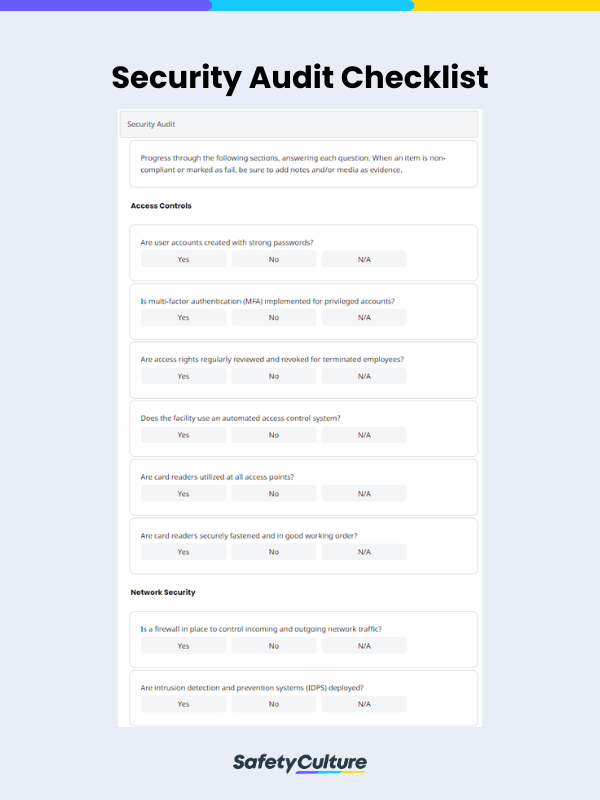
How does access control support regulatory compliance?
Access control systems enforce compliance by physically restricting access to sensitive, regulated, or hazardous areas. Rather than relying solely on policies and training, access control ensures that only authorized individuals can enter controlled spaces.
Northeast Remote Surveillance and Alarm, LLC (NERSA) designs systems that actively support regulatory enforcement—not just documentation.
Does access control help with HIPAA compliance?
Yes. Access control supports HIPAA’s physical safeguard requirements by limiting access to areas where protected health information (PHI) is stored or accessed.
Compliance benefits include:
- Restricting entry to medical records rooms and data centers
- Logging every access event with time and user identity
- Rapid revocation of access for terminated or reassigned staff
- Supporting audit and breach investigations
NERSA configures systems to align with HIPAA physical security expectations.
How does access control support OSHA requirements?
OSHA compliance requires organizations to limit access to hazardous environments and ensure only trained personnel enter high-risk areas.
Access control supports OSHA by:
- Restricting entry to mechanical, electrical, and chemical rooms
- Enforcing role-based safety access
- Providing access logs for incident investigations
- Reducing unauthorized exposure to dangerous equipment
NERSA designs access control systems that actively improve workplace safety.
Can access control help enforce internal security and HR policies?
Absolutely. Internal policies are often more complex than external regulations, and access control systems allow organizations to automatically enforce them.
Common internal policy controls include:
- Time-based access restrictions
- Department-specific access permissions
- Visitor and contractor access limits
- After-hours and weekend access monitoring
NERSA helps organizations turn internal policies into system-enforced rules.
Are access logs useful during audits or investigations?
Yes. Enterprise access control systems maintain detailed, time-stamped audit trails that are essential during compliance reviews.
Access logs can:
- Verify who accessed restricted areas
- Support internal and external audits
- Assist with incident reconstruction
- Demonstrate due diligence to regulators
NERSA configures reporting tools to support both routine audits and emergency investigations.
How quickly can access be revoked for compliance reasons?
Access can be revoked immediately—often in real time.
If an employee changes roles, fails certification, or leaves the organization, access credentials can be:
- Disabled instantly
- Modified by role or department
- Scheduled for automatic expiration
This significantly reduces compliance and liability risks compared to physical keys.
What happens during a power or network outage?
Enterprise access control systems are designed with fail-safe or fail-secure configurations, depending on compliance and safety requirements.
NERSA systems may include:
- Local door controller intelligence
- Battery backup
- Offline operation with event syncing
- Emergency override options
Compliance and safety are maintained even during disruptions.
Can access control integrate with video for compliance verification?
Yes—and this is a major compliance advantage.
Integrated access control and video surveillance allows organizations to:
- Verify access events visually
- Detect tailgating or forced entry
- Provide visual evidence during audits
- Strengthen investigations
NERSA specializes in unified security systems that improve compliance confidence.
How long are access records retained?
Retention periods can be customized based on regulatory, legal, and internal requirements.
NERSA designs systems with:
- Configurable data retention
- Secure storage options
- Exportable logs for long-term records
- Alignment with compliance and legal policies
Is access control enough on its own to meet compliance requirements?
Access control is a critical component, but it works best as part of a broader compliance strategy that includes policies, training, and integrated security systems.
NERSA helps organizations design compliance-aware security architectures that support—not replace—organizational governance.
Why choose Northeast Remote Surveillance and Alarm, LLC for compliance-driven access control?
NERSA understands that security failures are compliance failures.
Organizations choose us because we offer:
- Compliance-focused system design
- Enterprise-grade access control platforms
- Integration with video, alarms, and monitoring
- IT-aligned deployments
- Long-term service and compliance support
We help organizations reduce risk, pass audits, and protect people and data.
How do we start a compliance-focused access control project?
It begins with a consultation and compliance assessment. NERSA evaluates your regulatory environment, internal policies, and facility risks to design a solution that supports enforcement from day one.
Contact Northeast Remote Surveillance and Alarm, LLC to schedule a compliance-focused access control consultation. Call 1-888-344-3846 or Click Here