Industrial Access Control Installation
How Industrial Access Control Helps Companies Meet OSHA Compliance, Reduce Accidents & Improve Accountability
Industrial Access Control Installation by Northeast Remote Surveillance and Alarm, LLC (NERSA). Industrial facilities face unique safety and regulatory challenges. Heavy machinery, hazardous materials, confined spaces, and fast-paced operations create environments where strict safety management is non-negotiable. To help meet these demands, industrial access control systems are more than security tools — they are powerful compliance, safety, and operational accountability solutions.
NERSEC (Northeast Remote Surveillance and Alarm, LLC) provides commercial and industrial access control systems that integrate advanced credentialing, logging, monitoring, and safety protocols tailored for complex industrial sites. Combined with regulatory best practices, these solutions help companies strengthen OSHA compliance, reduce workplace accidents, and raise accountability across teams.
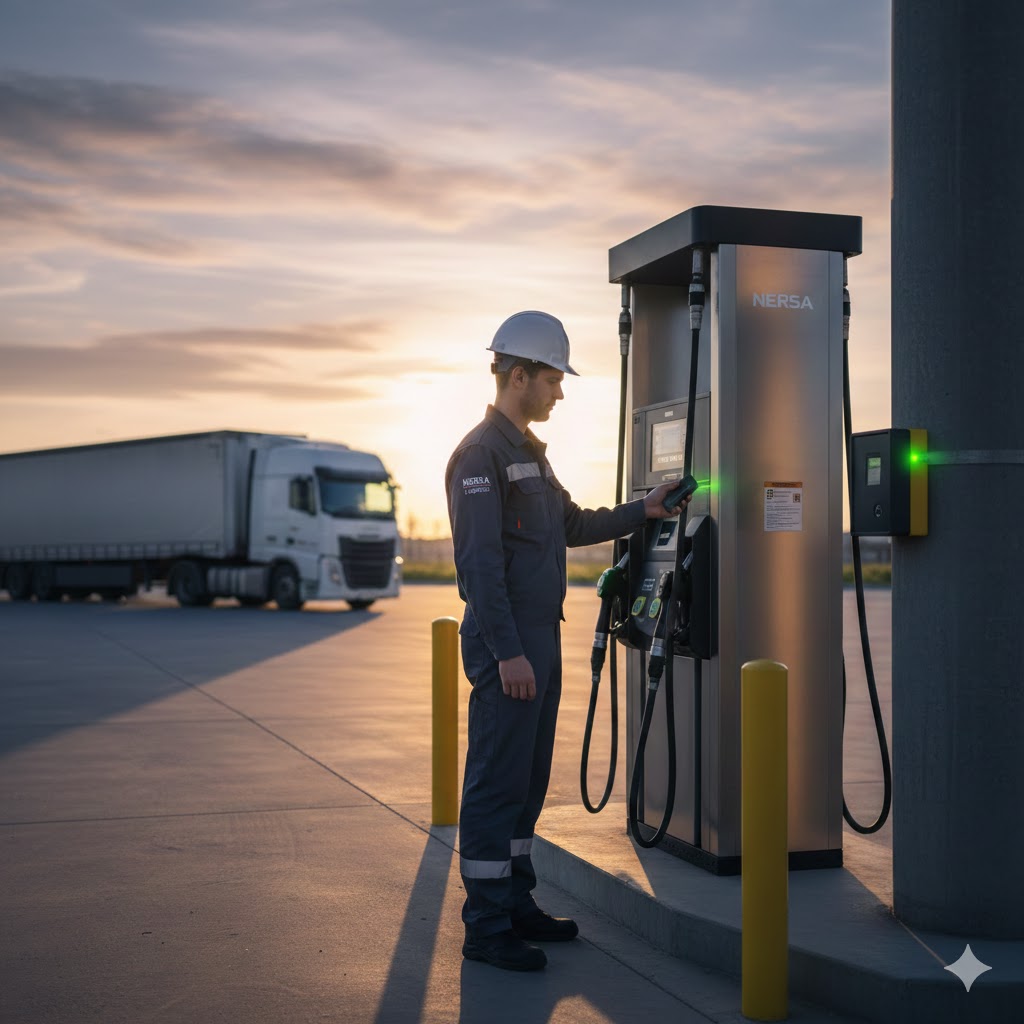
1. Supporting OSHA Compliance Through Industrial Access Control Installation
The Occupational Safety and Health Administration (OSHA) sets standards to protect workers from hazards ranging from machinery to fire safety and confined space entry. Compliance involves not only equipment and procedures but also documented controls and access policies that demonstrate to auditors and inspectors that only appropriately trained and authorized personnel can enter certain areas.
Industrial access control systems help satisfy these requirements by:
• Restricting Entry to High-Risk Zones
By limiting access to areas like chemical storage, heavy equipment operation, and confined spaces, access control ensures only trained personnel can enter — reducing unqualified presence in hazardous work zones. This directly supports OSHA’s risk mitigation goals.
• Providing Documented Access Logs
Digital access logs automatically record who entered what area and when, creating traceable data that can be reviewed during OSHA inspections or internal audits. This documented history is crucial when demonstrating compliance with OSHA standards or investigating incidents.
• Supporting Safety Permits and Procedures
For environments requiring permit-required confined space entry (29 CFR 1910.146) and other regulated activities, access control can enforce procedures by requiring appropriate credentials or safety acknowledgments before entry.
2. Industrial Access Control Installation for Reducing Workplace Accidents & Hazards
Industrial Access Control Installation reduces workplace accidents. Workplace accidents not only cause injury but also lead to costly penalties, downtime, and regulatory investigations. Industrial access control systems contribute to accident reduction in several ways:
• Preventing Unauthorized Access
Unauthorized personnel entering dangerous areas increases the risk of mishaps. Access control ensures that only qualified workers are permitted entry, dramatically lowering the likelihood of accidents tied to equipment mishandling or hazardous materials exposure.
• Integration With Emergency Protocols
Modern systems can integrate with emergency alarms and evacuation processes. In cases like a fire or chemical leak, doors can automatically unlock to facilitate safe exits or lock down to contain hazards — aligning operational safety with OSHA’s emergency preparedness guidelines.
• Real-Time Alerts & Proactive Monitoring
Access control can trigger alerts for forced entry, door held open events, or unusual access patterns — giving safety teams lead time to investigate potential safety risks before they escalate.
3. Industrial Access Control Installation – Building Accountability and Safety Culture
Accountability is essential for consistent, reliable safety performance. Access control technologies reinforce accountability across the workforce by:
• Detailed Audit Trails
Every entry attempt, access denial, and credential use is logged with time-stamped precision. These records support both safety investigations and performance reviews, helping companies understand behavior patterns and areas for improvement.
• Employee & Role-Based Permissions
Assigning access based on job functions ensures workers only enter spaces aligned with their responsibilities and safety training. This capability enforces a “need-to-know”/need-to-be-there approach that strengthens safety compliance and reduces risk exposure.
• Integration With Training & Compliance Reporting
Access systems paired with workforce management or training platforms can help enforce and document that workers have completed required safety training before they gain access to regulated areas. This improves both compliance transparency and operational performance.
4. Demonstrating a Commitment to Safety & Compliance
A robust industrial access control infrastructure signals to employees, auditors, customers, and insurers that your business prioritizes safety and regulatory adherence. OSHA compliance isn’t a check-the-box exercise — it’s a culture of prevention, documentation, and risk control. Technologies like access control systems make that culture more tangible, visible, and verifiable.
5. Why Industrial Organizations Choose NERSEC for Industrial Access Control Installation
NERSEC specializes in commercial and industrial access control solutions designed for long-term reliability — not quick, low-bid installs. Their systems:
- Use commercial-grade access hardware and credentialing (biometric, cards, mobile, etc.).
- Integrate with video surveillance, Intrusion Alarms, Fire Alarm systems for enhanced visibility and safety monitoring.
- Provide documented logs and alerts that help meet internal and external compliance requirements.
- Are scalable across facilities, warehouses, manufacturing floors, and campuses.
Choosing a comprehensive access control strategy enhances not just security but operational safety and compliance readiness — a core objective in OSHA-regulated environments.
Conclusion
Industrial access control systems are essential components of a modern safety and compliance strategy. They help organizations:
- Meet OSHA standards by enforcing restricted access and detailed logs.
- Reduce accidents by controlling who enters high-risk areas and enabling emergency integrations.
- Improve accountability by delivering verifiable access histories and role-based controls.
- Foster a safety-first culture that protects workers, reduces risk, and strengthens compliance posture.
Whether you’re in manufacturing, warehousing, or heavy industry, integrating robust access control with your safety programs is a strategic investment in compliance, operational integrity, and workforce protection.
Ready to improve OSHA compliance, reduce accidents, and increase accountability?
NERSEC designs and installs industrial access control systems built for safety, compliance, and long-term reliability.
📞 Call 888-344-3846 today to schedule your no-obligation security and compliance assessment.